


Post Category


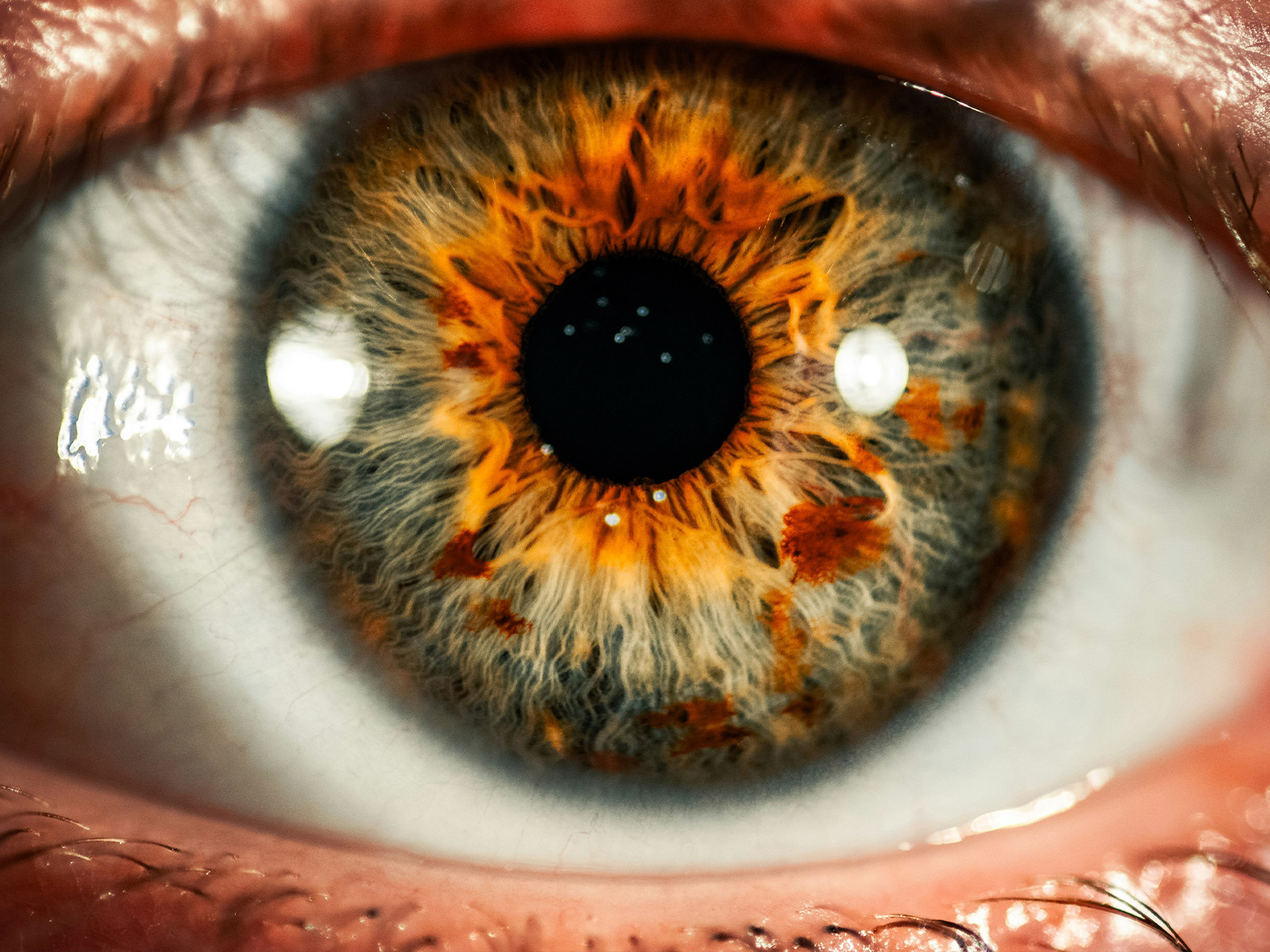
When you start comparing EVO ICL vs LASIK, it helps to know that both can dramatically reduce your dependence on glasses or contacts, and that both are FDA-approved refractive procedures with more than two decades of clinical data behind them. They simply take different routes to the same destination. LASIK reshapes the front surface of your eye. The EVO Visian ICL adds a thin lens inside your eye, in front of your natural lens, without removing any corneal tissue. For Boca Raton patients who have been told they are not a LASIK candidate because of thin corneas, a very high prescription, or significant dry eye, the EVO ICL is often the reason we are still having a refractive surgery conversation at all.
This guide walks through how each procedure works, who is a better candidate for each, what recovery looks like, what the 2026 safety data shows, and how to think about cost. It is an ophthalmologist's side-by-side, written for an educated patient. It is not a substitute for a comprehensive evaluation.
Why more South Florida patients are asking about EVO ICL
Three things changed in the refractive surgery conversation over the last five years. First, the STAAR Surgical EVO Visian ICL received FDA approval in the United States in March 2022, adding the central aquaport to a lens platform that had been used internationally for more than a decade. Second, long-term outcome data on the ICL platform continued to accumulate, with peer-reviewed endothelial cell density and intraocular pressure data now extending beyond 10 years in many cohorts. Third, patients who grew up wearing contact lenses have become more comfortable with the idea of an intraocular lens that can be removed.
In our Boca Raton practice, we now see a meaningful share of refractive consultations that begin with a patient saying, "I was told I could not get LASIK." That is almost always the right moment to introduce the EVO ICL. Palm Beach County is also one of the most screen-intensive, high-UV markets in the country, which matters both for dry eye (a LASIK consideration) and for post-surgery UV exposure planning.
How LASIK works
LASIK (laser-assisted in situ keratomileusis) is a corneal-reshaping procedure. Your surgeon creates a thin flap in the front of the cornea using a femtosecond laser, lifts the flap, and applies an excimer laser to reshape the exposed corneal stroma according to your prescription. The flap is then repositioned and adheres without stitches. The entire sequence typically takes less than 15 minutes per eye.
LASIK corrects vision by permanently changing the curvature of the cornea. Myopia is treated by flattening the central cornea. Hyperopia is treated by steepening it. Astigmatism is treated by making the cornea more spherical. According to the American Academy of Ophthalmology, LASIK is one of the most studied elective procedures in medicine, with patient-satisfaction rates consistently above 95 percent in published series.
Because LASIK removes tissue, candidacy depends on how much tissue you can safely remove. That is why corneal thickness, pre-operative prescription, and corneal shape dominate the LASIK screening conversation.
How the EVO Visian ICL works
The EVO Visian ICL is an implantable collamer lens. Collamer is a proprietary copolymer of collagen and a hydrophilic polymer, manufactured by STAAR Surgical. The lens is soft, foldable, and biocompatible. It is inserted through a micro-incision (usually about 3 mm) and positioned behind the iris and in front of the natural crystalline lens, in an anatomical space called the posterior chamber.
The "EVO" designation refers to a central aquaport, a small central opening in the lens that allows natural aqueous humor to flow through without requiring a separate peripheral iridotomy. That design update, along with the foldable injector, reduces surgery time to roughly 20 to 30 minutes for both eyes and shortens recovery.
Critically, the EVO ICL does not remove any corneal tissue and does not replace the natural lens. Your cornea and your natural lens remain intact. The ICL sits between them, doing its optical work quietly. If a patient's prescription changes significantly over time, or if a future cataract surgery is needed, the ICL can be removed or exchanged.
Candidacy comparison
Side-by-side candidacy is the part of this conversation that changes the most outcomes. Here is how the two procedures compare across the criteria we evaluate during a WBEC refractive consultation.
Prescription range.
- LASIK: generally approved for myopia up to about -8.00 to -10.00 D, hyperopia up to about +3.00 D, and astigmatism up to about 6.00 D, depending on the laser platform and your corneal biometrics.
- EVO ICL: FDA-approved for myopia from -3.00 to -20.00 D and for the reduction of astigmatism up to 4.00 D (toric EVO ICL). It is often the procedure of choice for prescriptions beyond the safe LASIK range.
Corneal thickness.
- LASIK: requires sufficient corneal thickness to safely create a flap and ablate tissue while leaving a stable residual bed. Most surgeons want to leave at least 250 to 300 microns of posterior stroma untouched. Patients with corneas thinner than roughly 480 to 500 microns, or with a borderline topography pattern, are often not good LASIK candidates.
- EVO ICL: corneal thickness is not a limiting factor, because no corneal tissue is removed. Patients with thin corneas, forme fruste keratoconus, or a family history of ectasia can often still pursue vision correction with the ICL.
Dry eye considerations.
- LASIK: the flap creation transects corneal nerves, which can cause or worsen dry eye for 6 to 12 months post-operatively. Most patients recover, but patients with significant pre-existing dry eye, Sjogren's syndrome, or chronic meibomian gland dysfunction may be poor LASIK candidates.
- EVO ICL: does not affect corneal nerves, so it does not cause or worsen dry eye. This is one of the most underrated advantages of the ICL for patients living in air-conditioned, screen-heavy South Florida workplaces.
Age eligibility.
- LASIK: FDA-approved for patients 18 and older, though most surgeons require a stable prescription for at least 12 months and prefer candidates in their 20s to 40s. LASIK does not prevent or treat age-related presbyopia or cataract.
- EVO ICL: FDA-approved for patients 21 to 45. Patients older than 45 are evaluated individually, and a refractive lens exchange conversation may be more appropriate (see our refractive lens exchange page).
Pregnancy and nursing. Neither procedure is performed during pregnancy or nursing, because hormonal changes can shift refractive stability and healing.
Procedure comparison
What the day of surgery actually looks like differs more than many patients expect.
- Duration. LASIK is typically under 15 minutes for both eyes. EVO ICL is typically 20 to 30 minutes for both eyes.
- Anesthesia. Both are performed under topical anesthetic eye drops with oral mild sedation. Neither requires general anesthesia.
- Incisions. LASIK creates a corneal flap with a femtosecond laser (no hand incision through the full corneal thickness). EVO ICL uses a small 3 mm clear-corneal micro-incision to insert the folded lens.
- Recovery of vision. LASIK patients typically see well enough to drive within 24 hours, and vision usually stabilizes over 1 to 4 weeks. EVO ICL patients often see well the next morning, with vision stabilizing over 1 to 2 weeks.
- Restrictions. Both procedures restrict eye rubbing, swimming, and heavy exercise for about one to two weeks, with specific timelines given in your post-op instructions.
- Follow-up schedule. Both typically require visits at 1 day, 1 week, 1 month, 3 months, and annually.
Reversibility: the underappreciated EVO ICL advantage
LASIK is a permanent structural change to your cornea. The reshaped cornea can be touched up with an enhancement in some cases, but it cannot be returned to its original shape.
The EVO Visian ICL, in contrast, is removable. If a patient's needs change (for example, the development of a visually significant cataract in their 60s, or a substantial change in refraction), the ICL can be removed or exchanged for a different power. The natural anatomy of the eye is preserved.
This is not a reason to default to an ICL over LASIK. It is a reason many patients prefer the ICL option when both are medically appropriate. It is also a genuinely important consideration for patients early in their refractive life, who may have decades of possible eye evolution ahead of them.
Risk profile: what 2026 data shows
Every intraocular procedure carries a risk profile, and honest ophthalmologists will walk you through it before any paperwork is signed. Here is what the published data shows in 2026.
LASIK risks include dry eye, halos and glare (especially at night), undercorrection or overcorrection requiring enhancement, flap complications (rare), and, very rarely, post-LASIK ectasia. Long-term outcome studies, including those summarized by the American Academy of Ophthalmology, continue to support LASIK as a safe and effective procedure for appropriately screened candidates.
EVO ICL risks include transient intraocular pressure elevation (usually managed with drops), the rare possibility of a secondary cataract over time, endothelial cell loss (closely monitored with specular microscopy), and, very rarely, the need for lens repositioning or exchange. Peer-reviewed data through 2026, discussed in society publications from the American Society of Retina Specialists and the American Society of Cataract and Refractive Surgery, shows that the EVO platform with the central aquaport has reduced the historical concern for elevated IOP associated with earlier ICL models and reduced the need for a peripheral iridotomy.
Both procedures have published satisfaction rates above 95 percent in properly screened patients. Neither procedure guarantees a specific visual outcome in any individual patient.
Cost and insurance
Refractive surgery is considered elective and is not typically covered by medical insurance. In South Florida, ballpark 2026 pricing is:
- LASIK: approximately $2,200 to $3,000 per eye, depending on the technology platform (wavefront-guided, topography-guided, etc.).
- EVO Visian ICL: approximately $4,500 to $5,500 per eye, reflecting the cost of the implant itself.
Many practices, including West Boca Eye Center, offer financing through CareCredit or similar programs. HSA and FSA funds are typically eligible for both procedures.
The Boca Raton patient profile for each
After many refractive consultations in Palm Beach County, certain patterns emerge. They are not rules, and your surgeon will individualize the recommendation, but they are useful to know going into a consultation.
A good LASIK candidate at WBEC often looks like:
- A healthy adult in their 20s to 40s with a stable prescription.
- Myopia roughly between -0.75 and -8.00 D, or moderate hyperopia or astigmatism within FDA ranges.
- Adequate corneal thickness and a normal corneal topography.
- No significant dry eye, ocular surface disease, or autoimmune condition.
- Comfortable with a permanent corneal-reshaping procedure.
A good EVO ICL candidate at WBEC often looks like:
- A healthy adult between 21 and 45.
- Moderate-to-high myopia (often beyond -6.00 D), especially where LASIK is borderline.
- Thin corneas, borderline topography, or a family history of keratoconus.
- Significant dry eye or chronic contact lens intolerance.
- A preference for a reversible, tissue-sparing procedure.
"In our Boca Raton practice, we typically recommend the EVO ICL for patients with myopia beyond -8.00 D, for those with corneas thinner than about 480 microns, and for anyone whose pre-existing dry eye makes a LASIK recovery unpleasant. For everyone else, LASIK is still a workhorse procedure that has earned its reputation." (Brent Bellotte, MD)
How to know which is right for you
Use the following sequence during your consultation conversation.
- Confirm your prescription stability. If your prescription has changed by more than 0.50 D in the last 12 months, neither procedure is appropriate yet.
- Review your corneal topography and pachymetry (thickness) results. These measurements, not your prescription alone, drive LASIK candidacy.
- Assess your dry eye status. Tear film testing, meibomian gland evaluation, and symptom questionnaires matter here.
- Consider your prescription magnitude. Higher myopia weights the conversation toward the ICL. Lower myopia with a thick cornea and no dry eye weights it toward LASIK.
- Weigh reversibility. If the idea of a non-reversible corneal change is uncomfortable for you, say so. It is valid, and it can change the recommendation.
- Ask about enhancement policy. Both procedures sometimes require a touch-up. Know your surgeon's enhancement protocol before committing.
- Confirm candidacy with your surgeon, not a marketing funnel. A thorough evaluation at West Boca Eye Center typically runs 90 minutes and includes measurements you will not get anywhere else.
For more on the surgical options we offer, see our LASIK page and our refractive surgery overview. Candidacy for any refractive procedure requires a comprehensive evaluation with a board-certified ophthalmologist.
Frequently Asked Questions
Is the EVO ICL safer than LASIK?
Neither procedure is categorically "safer" than the other for every patient. Both have strong safety profiles when performed on properly screened candidates. The ICL may be the safer choice for patients with thin corneas, very high myopia, or significant dry eye. LASIK may be the more straightforward option for patients with moderate prescriptions, healthy corneas, and no dry eye issues.
Can I get the EVO Visian ICL if I have astigmatism?
Yes. The toric EVO Visian ICL corrects astigmatism up to 4.00 D at the spectacle plane. Your surgeon will confirm candidacy based on your full refraction and corneal measurements.
Will I still need reading glasses after LASIK or ICL?
Both procedures correct distance vision. Neither corrects age-related presbyopia. Patients over 40 should expect to need reading glasses at some point regardless of which procedure they choose. Monovision is an option to discuss with your surgeon.
Does the EVO ICL cause cataracts?
Older ICL models were associated with an increased risk of anterior subcapsular cataract, largely related to contact with the natural lens or to chronic inflammation. The EVO platform, with its central aquaport and improved vault design, has significantly reduced this risk in published series. Long-term monitoring is still appropriate.
How long does the EVO ICL last?
The EVO Visian ICL is designed to remain in place indefinitely. It can be removed or exchanged if needed, for example at the time of cataract surgery later in life, but it does not have a routine replacement interval.
Am I too old for the EVO ICL?
The EVO ICL is FDA-approved for ages 21 to 45. Patients over 45 are typically evaluated for refractive lens exchange instead, because they are approaching the age at which natural lens changes begin to affect vision. Your surgeon will help you decide which makes more sense at your life stage.
Can I have LASIK after an EVO ICL?
Yes, in specific circumstances. If residual refractive error remains after ICL implantation, a small LASIK or PRK enhancement can sometimes be performed to fine-tune the result. This is uncommon but sometimes appropriate.
What if I am not a candidate for either?
Other options exist, including PRK (surface ablation without a flap) and refractive lens exchange (removing and replacing the natural lens with a premium IOL). A comprehensive evaluation at West Boca Eye Center will clarify which, if any, are appropriate for you.
Important Safety Information
LASIK and the EVO Visian ICL are not appropriate for every patient. Contraindications include but are not limited to: pregnancy or nursing, age under 18 for LASIK (or under 21 for EVO ICL), unstable refraction, significant ocular disease (including untreated glaucoma, active uveitis, or corneal ectasia), certain systemic autoimmune conditions, and inadequate anterior chamber depth (for EVO ICL). Risks of any intraocular or corneal refractive procedure include infection, inflammation, glare, halos, undercorrection or overcorrection, and, rarely, loss of best-corrected vision. A comprehensive evaluation with a board-certified ophthalmologist is required to determine candidacy.
Ready to see which procedure fits your eyes?
West Boca Eye Center serves patients from Boca Raton, Delray Beach, Boynton Beach, Deerfield Beach, Parkland, and Coral Springs. To schedule a refractive consultation with Dr. Brent Bellotte, visit our contact page or our Boca Raton location page.
EVO ICL and LASIK both correct vision, but one is removable and one permanent. A Boca Raton guide to candidacy, recovery, cost, and which fits your eyes.
Book an appointment
Fill out the form below and our staff will reach out to you quickly to fully book your appointment and receive all of your necessary information.

Specializing in modern cataract surgery.
Located 1/2 miles North of West Boca Medical Center on Glades Road, directly behind Macy's Furniture Gallery.
West Boca Eye Center
9325 Glades Road, Suite 201.
Boca Raton, FL 33434