


Post Category


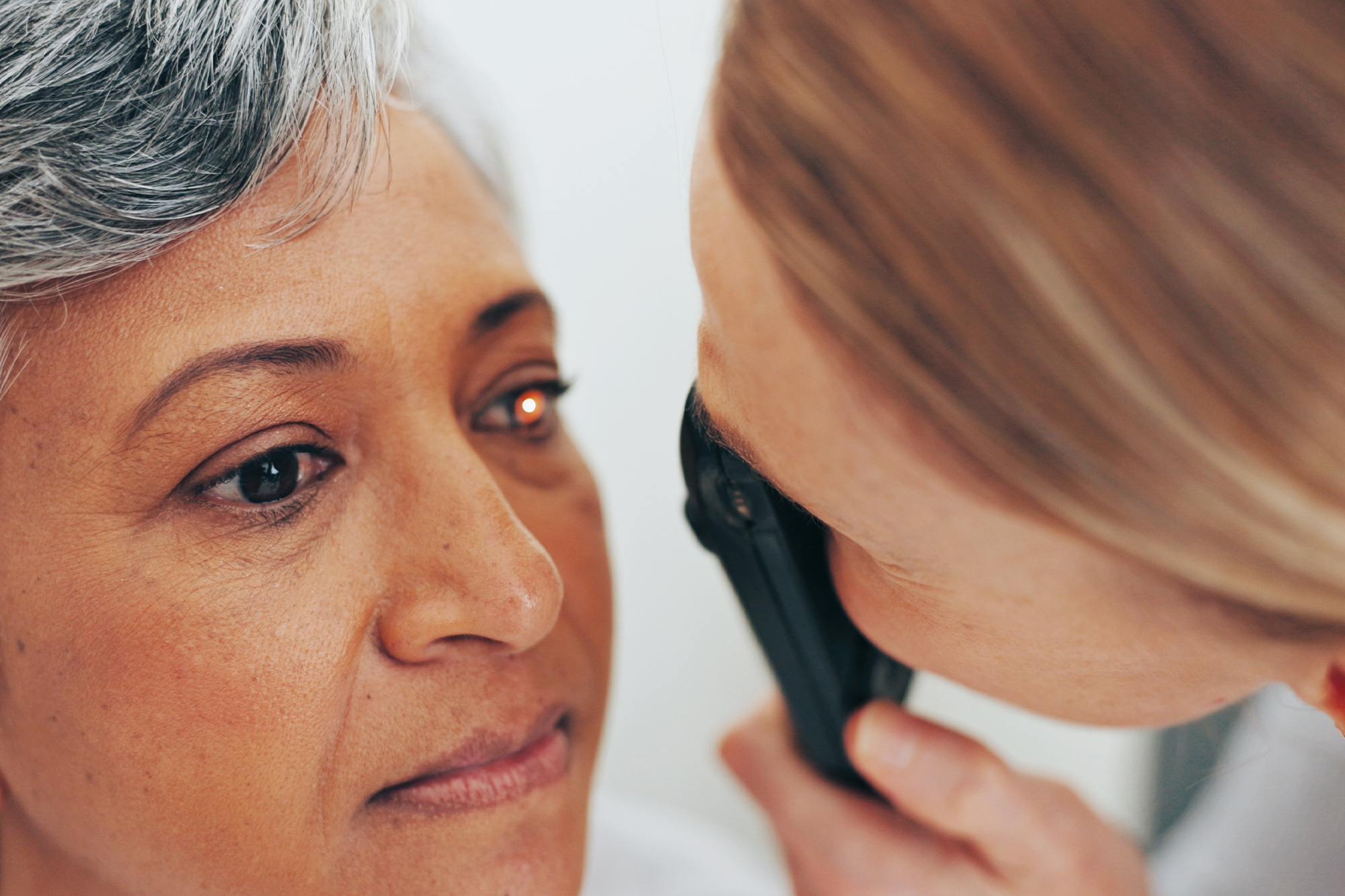
The most important thing to understand about cataract surgery is that, once removed, a cataract cannot return. However, there is a fairly common (and easily treated) condition that presents with similar symptoms. This is known as Posterior Capsule Opacification (PCO), which is also somewhat mistakenly termed as secondary cataracts.
PCO is one of the most commonly experienced after-cataract surgery vision problems that can occur at any time post-op. It’s estimated to affect anywhere from 15%-50% of people and most usually between 1–5 years after the procedure.
Treating Posterior Capsule Opacification (Secondary Cataracts)
To understand how treatment works, we first need to have a basic understanding of what PCO is.
The natural eye lens is encased in a thin capsule. Much of this capsule is removed during a cataract operation, but a small portion is left in-situ as an anchor for the new intraocular lens (IOL). A cataract forms when proteins within the eye jelly clump together on the natural lens. PCO occurs when the same thing happens, but instead of forming on the lens, they clump together on the part of the lens capsule that remains.
So, it’s not another cataract, because they don’t clump on the IOL. But it does disrupt the flow of light through the eye, causing some very similar vision issues to a cataract. These include:
- Blurred or distorted vision.
- Colors become muted and/or have a yellowish tinge.
- Difficulty seeing in low light.
- Casting halos around light sources.
If you’ve had cataracts removed, then you’ll agree that these are virtually identical. This makes it easy to see why PCO has earned the misnomer of a “secondary cataract”.
Happily, there is a single, easy procedure that can remove the problem for good. This is called a YAG laser capsulotomy.
Understanding YAG Laser Capsulotomy
The YAG in YAG laser capsulotomy stands for Yttrium Aluminum Garnet. As the name suggests, it’s a laser treatment. It’s performed in the doctor’s office and only takes a few minutes. The process consists of:
- Giving you some numbing eye drops that also dilate the pupil.
- Placing a special kind of contact lens on the eye.
- The ophthalmologist then directs the laser onto the clouded membrane, breaking down the cloudy part, and restoring the natural light flow through the eye.
And that, quite simply, is it. A YAG laser capsulotomy pretty much only ever needs to be performed once. It’s painless, and aftercare consists of wearing dark glasses until the eye drops wear off. You may briefly experience an increase in floaters, which are the proteins that have been blasted apart floating within the eye. These are usually absorbed over the following days and weeks. Aside from taking it easy for around 24 hours, the procedure doesn’t require any other specific post-procedure care.
Risks of YAG Laser Capsulotomy
YAG laser is generally very safe and it’s rare to suffer any serious side effects. The most common issues are the already mentioned transient increase in floaters. Other potential risks include:
- A temporary rise in intraocular pressure: This is more common if you suffer from glaucoma, which your surgeon will be aware of. This is usually proactively treated with pressure-regulating eye drops and monitoring.
- Blurred vision: This usually settles over the following hours and days.
- Photosensitivity/glare: This is usually a result of the pupil-dilating eye drops and fades within hours. However, some people might find it bothersome for a few days or weeks, but again, it generally settles and disappears completely.
There are some very rare, but more serious risks that everyone should be aware of, such as:
- Retinal detachment: A potentially sight-threatening condition where the thin wall of light-receiving cells at the back of the eye begins to peel away from the surface.
- Retinal swelling: Known as Cystoid Macular Edema, it occurs when the center of the retinal area becomes inflamed.
- Eye infection/inflammation: Such as Uveitis or Iritis. This is where the tissues within the eye become swollen.
All of the above, while potentially serious, are generally treatable with prompt care. Your eye doctor will advise about your personal risk level and the symptoms that would warrant you seeking urgent or immediate care.
YAG Laser Capsulotomy is just one of the cataract-related procedures carried out at the West Boca Eye Center.
Discover more at https://www.westbocaeyecenter.com/services/cataract-surgery and call today to book an appointment.
Book an appointment
Fill out the form below and our staff will reach out to you quickly to fully book your appointment and receive all of your necessary information.

Specializing in modern cataract surgery.
Located 1/2 miles North of West Boca Medical Center on Glades Road, directly behind Macy's Furniture Gallery.
West Boca Eye Center
9325 Glades Road, Suite 201.
Boca Raton, FL 33434